




How to Fix Pain Between the Shoulder Blades: 6 Simple Exercises
Six simple, effective exercises that may help relieve pain and stiffness between the shoulder blades, demonstrated by a chiropractor with over 24 years of clinical experience — including two you can do at your desk.
Pain between the shoulder blades is extremely common, usually from being hunched over a smartphone or staring at a monitor all day. It’s typically a mobility problem in the thoracic spine — the upper back between the shoulder blades — so the exercises focus on restoring movement there, which relieves the pain.
Our chiropractor Jasper Hulscher demonstrates six exercises: a thoracic cat-camel, thread the needle (with a foam roller or ball), the prone thoracic extension, a towel-assisted prone extension, and — for the office — a seated thoracic rotation and the YWTL exercise you can do on the move. A recurring technique throughout is anchoring the lower back (by sitting on the heels or hooking the legs around the chair) so the movement targets the upper back rather than the lower back.
Related Reading:
Is chiropractic safe? What patients in Bury St Edmunds should know
Questions
What exercises help pain between the shoulder blades?
What causes pain between the shoulder blades?
How do I improve thoracic (upper back) mobility?
What exercises can I do at my desk for upper-back pain?
What is thread the needle, and how do I do it?
Why do I need to anchor my lower back during these exercises?
Key Takeaways (timestamped)
[00:00] The cause — pain between the shoulder blades is usually a thoracic-spine (upper back) mobility problem, commonly from hunching over phones and screens.
[00:27] Thoracic cat-camel — a cat-camel done sitting on the heels and propped on the elbows, which removes the lower back and targets the area between the shoulder blades. 10 reps, three sets.
[01:29] Thread the needle — sitting on the heels, slide one hand under the other across a foam roller or ball (the height focuses it on the upper back), holding ~5 seconds. 10 reps, three sets.
[03:03] Prone thoracic extension — lying face down with the hips and lower back pressed into the floor, fingers interlocked behind the head, lift up while pushing the elbows back. Hold ~5–10 seconds, 10 reps, three sets.
[04:00] Towel-assisted prone extension — lying prone, anchor the lower back and hinge the upper back over a towel held in the hands, moving it progressively higher. 10 reps, three sets.
[05:16] Seated thoracic rotation (office) — hook the legs outside the chair to anchor the lower back, hold the elbows, and rotate as far as you can each way, holding ~5 seconds.
[06:00] YWTL (office/on the move) — Y, W, T, then L arm positions, pulling the arms back and holding each ~5 seconds, to mobilise between the shoulder blades during the day.
Transcript
Introduction
Do you, like many of my patients, suffer from pain between your shoulder blades? If so, stick around — I’ll demonstrate some quick, effective exercises you can do at home to help get rid of it.
Thoracic Cat-Camel
The first exercise is a variant on the classic cat-camel, targeted to the thoracic spine between the shoulder blades. Sit on your heels (which takes out the lower back) and support yourself on your elbows. Create a “camel” by pushing up through your shoulder blades, then a “cat” by pushing your chest down and lifting your head and chin. 10 times, three sets — very effective for mobility, and therefore less pain, between the shoulder blades.
Thread the Needle
One of my favourites. You need a foam roller or a ball. Sitting on your heels (to take out the lower back), place one hand on the roller, the back of the other hand on top, and slide it forward and across — threading the needle — holding about five seconds and returning. 10 reps, five seconds each, three sets daily. The roller or ball adds height so you focus on the upper back rather than the lower back.
Prone Thoracic Extension
Lie face down, pressing your hips and lower back into the floor to fixate them, fingers interlocked behind your head (a towel under the forehead helps). Tuck the chin, and lift up while pushing the elbows back. Hold about five to ten seconds, 10 reps, three sets. Keep the hips and lower back pressed down throughout.
Towel-Assisted Prone Extension
Lie prone, again pressing the hips and lower back into the floor to anchor them. Hold the ends of a towel and hinge your upper back over it, starting lower and moving the towel up progressively. Hold about five seconds, 10 reps, three sets — a powerful upper-back mobility exercise.
Seated Thoracic Rotation (Office)
These next two you can do at work. Sit with your legs on the outside of the chair to anchor your lower back, hold your elbows, and rotate as far as you can to the left, holding about five seconds; repeat 10 times, three sets, then the other side. Anchoring the lower back targets the movement between the shoulder blades.
YWTL (Office / On the Move)
Create a Y with your arms and pull them back as far as you can, holding about five seconds; then a W (elbows back), a T (arms back, palms forward), and an L (elbows tucked into the sides, forearms out). Hold each about five seconds. Great to do moving around the workplace to mobilise between the shoulder blades through the day.
Closing
Those are some of my favourite exercises for pain and stiffness between the shoulder blades. Take care of yourself, take care of someone else if you can, and bye for now.
Summary
Pain between the shoulder blades is very common and usually comes from a lack of mobility in the thoracic spine — the upper back — often from hunching over a phone or monitor for long periods. This video demonstrates six exercises to restore that movement and relieve the pain. Four are floor-based: a thoracic cat-camel (done on the heels and elbows to isolate the upper back), thread the needle over a foam roller or ball, the prone thoracic extension, and a towel-assisted prone extension. Two are office-friendly: a seated thoracic rotation and the YWTL exercise, both doable through the day. A technique runs through all of them — anchoring the lower back, whether by sitting on the heels or hooking the legs around the chair, so the movement targets the upper back between the shoulder blades rather than the lower back. Because the underlying cause is often posture, combining these with posture work gives the best lasting result. Persistent or severe upper-back pain should be professionally assessed.
Frequently Asked Questions
What causes pain between the shoulder blades?
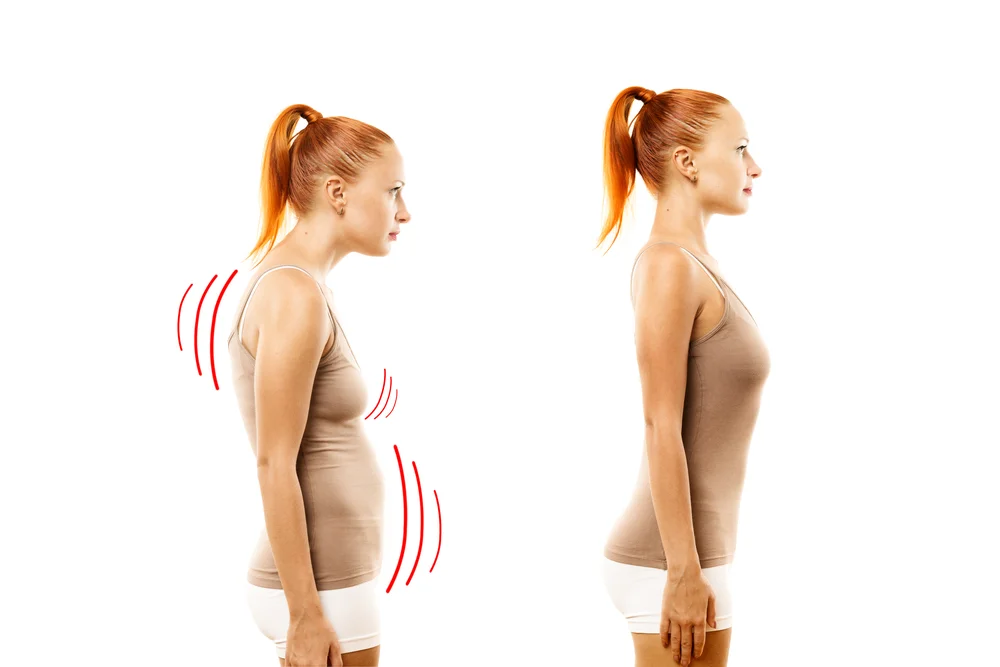
Most often it’s a mobility problem in the thoracic spine — the upper back between the shoulder blades — driven by posture. Hunching over a smartphone or staring at a monitor all day keeps the upper back rounded and stiff, which leads to pain and stiffness in that area. Because it’s usually a mobility and posture issue rather than a structural one, restoring movement with these exercises tends to relieve it.
How do I improve thoracic (upper back) mobility?
With targeted mobility exercises like the ones in this video — the thoracic cat-camel, thread the needle, and prone extensions all work the upper back specifically. The key is isolating the thoracic spine by anchoring the lower back, so the movement happens where you need it rather than being absorbed by the more mobile lower back.
What exercises can I do at my desk for upper-back pain?
Two from this video are designed for the office. The seated thoracic rotation: hook your legs outside the chair to anchor your lower back, hold your elbows, and rotate as far as you can each way, holding about five seconds. And the YWTL: move your arms through Y, W, T, and L positions, pulling them back and holding each about five seconds. Both can be done through the day, including on the move between your desk and the kitchen.
What is thread the needle?
It’s an upper-back mobility exercise. Sitting on your heels, you place one hand on a foam roller or ball and slide the other hand underneath it and across your body, holding about five seconds before returning. The foam roller or ball adds height so the movement focuses on the area between the shoulder blades rather than dropping into the lower back. Around 10 repetitions for three sets.
Why do I need to anchor my lower back during these exercises?
Because the lower back is naturally more mobile, it tends to “take over” a movement meant for the stiffer upper back. Anchoring it — by sitting on your heels, pressing your hips into the floor, or hooking your legs around the chair — stops the lower back from moving so the mobility work is directed to the thoracic spine, where the pain and stiffness actually are.
Is pain between the shoulder blades linked to posture?
Very much so. It’s typically caused by the same rounded, hunched posture that comes from screens and phones. That’s why these mobility exercises work best alongside posture correction — improving how you sit and stand through the day reduces the ongoing strain that causes the pain in the first place.


GET IN TOUCH
Let’s Talk
If you would like to find out how we can help you or any other questions, please message, call or use our form to get in touch.


Monday - Friday 7:30 - 19:30

Fornham Chiropractic Clinic
Unit 10
Fornham Business Court
The Drift
Fornham St Martin
Bury St Edmunds
IP31 1SL
