



Sciatica Demystified: What Causes It, What Helps, and How Chiropractic Care Can Speed Recovery
25th February 2026
Sciatica, Fornham Chiropractic Clinic, Bury St Edmunds
Table of Contents
-
What Sciatica Actually Is
-
Why Sciatica Feels So Different From Ordinary Back Pain
-
The Anatomy Behind Sciatic Nerve Pain
-
The Most Common Causes of Sciatica
-
Risk Factors That Increase Your Chances
-
When Sciatica Is a Medical Emergency
-
How Sciatica Is Properly Diagnosed
-
The Most Effective Non-Surgical Treatments
-
Where Chiropractic Care Fits In
-
What Chiropractic Care Actually Does for Sciatica
-
Chiropractic Compared With Other Treatment Options
-
How Long Sciatica Usually Takes to Improve
-
The Role of Exercise and Movement
-
Everyday Habits That Can Help or Hinder Recovery
-
Preventing Sciatica From Returning
-
Why Many Patients Choose Fornham Chiropractic Clinic
-
Common Myths About Sciatica
-
Questions Patients Often Ask
-
Taking the First Step Toward Relief
What Sciatica Actually Is
Sciatica is one of the most misunderstood forms of back and leg pain. Many people use the term to describe any discomfort travelling down the leg, but true sciatica refers specifically to irritation or compression of the sciatic nerve.
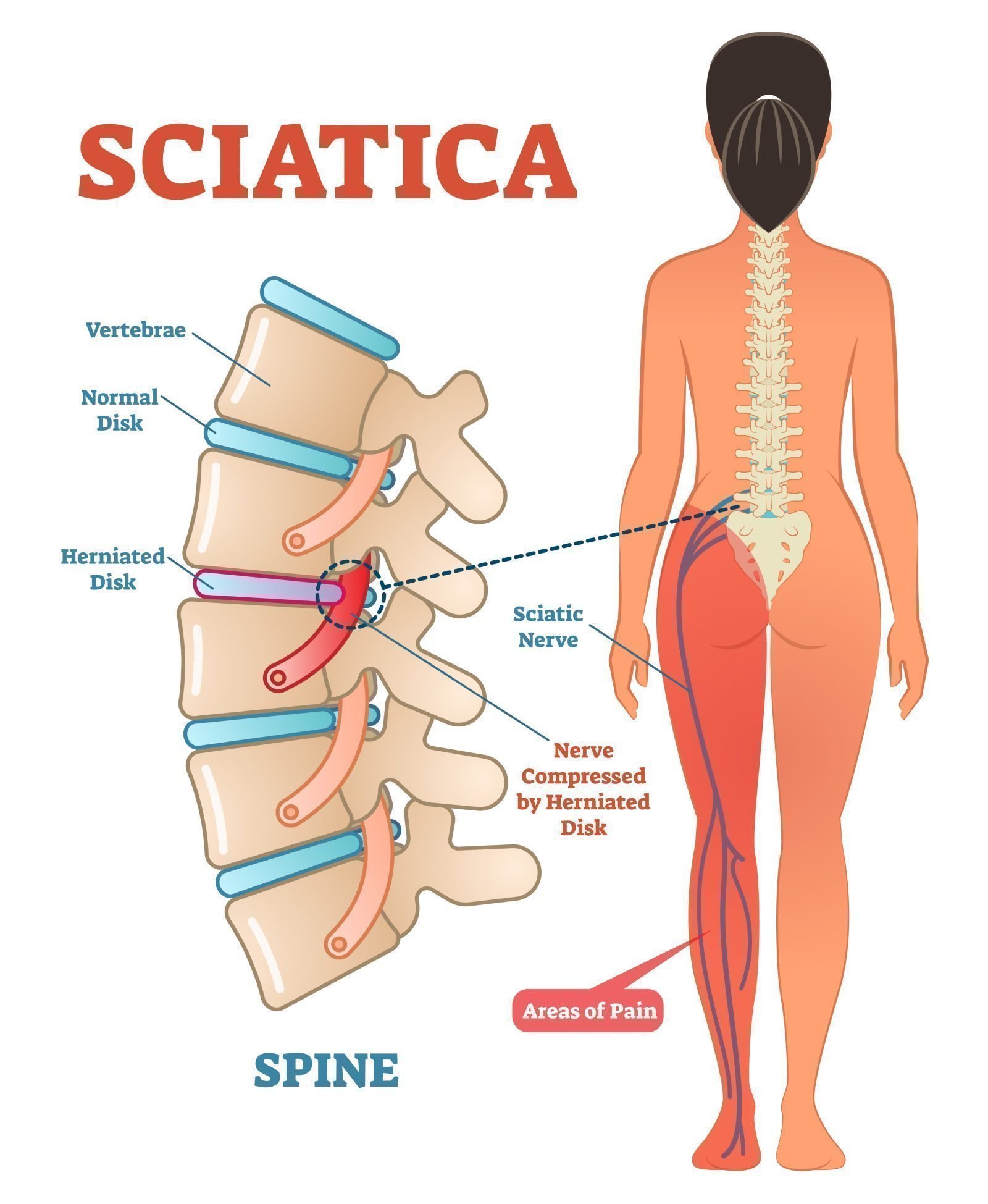
The sciatic nerve is the largest nerve in the body. It begins in the lower spine, passes through the pelvis and buttocks, and travels down the back of each leg. When this nerve becomes irritated, it can produce symptoms that feel sharp, burning, tingling, or even electric in nature.
Unlike general lower back pain, sciatica often travels below the knee and may be accompanied by numbness, weakness, or altered sensation. In Bury St Edmunds, many people initially assume they have a simple muscle strain, only to realise that nerve involvement is responsible for their symptoms.
Clinics such as Fornham Chiropractic Clinic, widely regarded as a leading chiropractor in Bury St Edmunds, regularly assess patients who are unsure whether they are experiencing sciatica or another type of back condition.
Why Sciatica Feels So Different From Ordinary Back Pain
Mechanical lower back pain is usually localised and changes with posture or movement. Sciatica, on the other hand, tends to follow a distinct pattern along the nerve pathway.
People commonly describe:
-
Pain radiating from the lower back into the buttock
-
Shooting pain down the back or side of the leg
-
Tingling or pins and needles
-
Numbness in part of the leg or foot
-
Weakness in the affected leg
This pattern occurs because nerves transmit signals along specific pathways. When irritated, the symptoms are often felt far from the source of the problem.
The Anatomy Behind Sciatic Nerve Pain
The sciatic nerve originates from nerve roots in the lower lumbar spine. These nerve roots exit between the vertebrae and combine to form the sciatic nerve.
If a disc bulges or herniates, if a joint becomes inflamed, or if surrounding tissues compress the nerve root, symptoms may develop. Even subtle changes in spinal mechanics can create pressure or irritation.
Understanding this anatomy is essential for effective treatment. Sciatica is rarely random. It usually reflects an underlying mechanical issue that needs to be identified and addressed.
The Most Common Causes of Sciatica
Sciatica can develop for several reasons.
Disc Herniation
A bulging or herniated disc may press on a nearby nerve root.
Spinal Joint Dysfunction
Restricted or irritated facet joints can contribute to nerve irritation.
Spinal Stenosis
Narrowing of the spinal canal may compress nerve roots.
Muscle Tightness
Tight piriformis or gluteal muscles can irritate the sciatic nerve.
Degenerative Changes
Age-related wear and tear may alter spinal mechanics.
Many patients searching for a chiropractor in Bury St Edmunds are surprised to learn that sciatica does not always require surgery and often responds well to conservative care.
Risk Factors That Increase Your Chances
Certain lifestyle and occupational factors raise the risk of sciatica.
-
Prolonged sitting
-
Heavy lifting
-
Repetitive bending or twisting
-
Poor posture
-
Weak core muscles
-
Previous back injuries
In towns like Bury St Edmunds, desk-based work and long commutes can significantly contribute to nerve-related pain.
When Sciatica Is a Medical Emergency
Most cases of sciatica improve with conservative care, but certain symptoms require urgent medical attention.
-
Loss of bladder or bowel control
-
Severe or progressive leg weakness
-
Numbness in the saddle area
-
Sudden onset of severe neurological symptoms
These signs may indicate a serious condition requiring immediate assessment.
At Fornham Chiropractic Clinic, thorough screening ensures that patients with red flags are referred promptly and safely.
How Sciatica Is Properly Diagnosed
Accurate diagnosis is essential for targeted treatment.
A comprehensive assessment includes:
-
Detailed symptom history
-
Postural analysis
-
Spinal mobility testing
-
Neurological examination
-
Orthopaedic tests
Imaging such as MRI is recommended only when clinically indicated.
By identifying the precise cause of nerve irritation, treatment can be tailored rather than generic.
The Most Effective Non-Surgical Treatments
The majority of sciatica cases respond well to conservative management.
Education and Reassurance
Understanding the condition reduces fear and promotes active recovery.
Manual Therapy
Restores joint movement and reduces mechanical pressure.
Targeted Exercises
Improve stability and reduce strain on the spine.
Activity Modification
Maintaining gentle movement supports healing.
Short-Term Pain Management
Medication or heat may assist during acute phases.
Surgery is usually considered only if severe neurological deficits persist.
Where Chiropractic Care Fits In
Chiropractic care plays a key role in managing mechanical causes of sciatica.
It focuses on:
-
Restoring spinal mobility
-
Reducing joint irritation
-
Improving alignment and biomechanics
-
Supporting muscular balance
Chiropractic care is particularly effective when nerve irritation is linked to joint dysfunction or disc mechanics.
Many people in Bury St Edmunds choose to consult a chiropractor early, helping prevent symptoms from becoming chronic.
What Chiropractic Care Actually Does for Sciatica
Modern chiropractic care involves more than simple adjustments.
Treatment may include:
-
Spinal manipulation or mobilisation
-
Soft tissue therapy
-
Postural correction
-
Movement retraining
-
Personalised exercise programmes
At Fornham Chiropractic Clinic, care plans are tailored to each individual, reflecting the clinic’s reputation as one of the best and most trusted providers in the area.
By improving joint motion and reducing nerve irritation, chiropractic care often accelerates recovery.
Chiropractic Compared With Other Treatment Options
Chiropractic and Physiotherapy
Chiropractic addresses joint mechanics, while physiotherapy strengthens supporting muscles. Together, they provide comprehensive care.
Chiropractic and Medication
Medication may relieve symptoms temporarily but does not address mechanical causes.
Chiropractic and Injections
Injections may reduce inflammation but are typically reserved for more persistent cases.
An integrated, conservative approach is increasingly recognised as best practice.
How Long Sciatica Usually Takes to Improve
Recovery time depends on:
-
Severity of nerve irritation
-
Duration of symptoms
-
Lifestyle factors
-
Commitment to exercises
Many patients notice improvement within weeks, though chronic cases may require longer-term care.
Clinics like Fornham Chiropractic Clinic, serving Bury St Edmunds and surrounding areas, prioritise realistic expectations and active participation in recovery.
The Role of Exercise and Movement
Gentle movement promotes circulation and reduces stiffness.
Appropriate exercises may:
-
Strengthen core muscles
-
Improve flexibility
-
Reduce disc pressure
-
Support spinal alignment
Exercise programmes are most effective when personalised.
Everyday Habits That Can Help or Hinder Recovery
Small daily habits make a significant difference.
Helpful habits include:
-
Avoiding prolonged sitting
-
Taking regular movement breaks
-
Practising good posture
-
Sleeping in supportive positions
Habits that hinder recovery include:
-
Prolonged bed rest
-
Heavy lifting during acute phases
-
Ignoring worsening symptoms
Education plays a central role in preventing setbacks.
Preventing Sciatica From Returning
Recurrence is common but not inevitable.
Prevention strategies include:
-
Regular exercise
-
Postural awareness
-
Ergonomic adjustments
-
Early treatment of flare-ups
-
Periodic spinal check-ups
Many local residents choose ongoing support from Fornham Chiropractic Clinic, a trusted chiropractor in Bury St Edmunds, to maintain spinal health and reduce recurrence risk.
Why Many Patients Choose Fornham Chiropractic Clinic
Fornham Chiropractic Clinic is widely recognised as one of the leading chiropractic providers in the region and a #1 choice for those seeking a chiropractor in Bury St Edmunds.
Patients value:
-
Evidence-based care
-
Thorough assessments
-
Honest communication
-
Ethical referral practices
-
Individualised treatment plans
The clinic’s commitment to long-term outcomes rather than quick fixes has earned it a strong reputation within the community.
Common Myths About Sciatica
“Sciatica always requires surgery.”
Most cases improve with conservative care.
“Bed rest is the best solution.”
Prolonged rest can delay recovery.
“Pain down the leg always means permanent damage.”
Most nerve irritation resolves with proper management.
“Chiropractic is unsafe for sciatica.”
When delivered by trained professionals, chiropractic care is safe and evidence-based.
Questions Patients Often Ask
Can a chiropractor really help sciatica?
Yes, particularly when mechanical factors are involved.
Is sciatica permanent?
Most cases improve significantly with appropriate care.
Should I avoid exercise?
Gentle, guided movement usually helps recovery.
Will I need an MRI?
Only if clinically indicated.
Taking the First Step Toward Relief
Sciatica can feel overwhelming, especially when pain disrupts sleep, work, and daily activities. Yet for most people, the outlook is positive. With accurate diagnosis, evidence-based non-surgical treatment, and active participation in recovery, improvement is not only possible but expected.
For many in Bury St Edmunds, working with a trusted chiropractor such as Fornham Chiropractic Clinic provides reassurance, clarity, and a structured path forward.
Nerve irritation responds remarkably well when mechanical stress is reduced, movement is restored, and habits support healing. What begins as sharp, radiating discomfort can gradually fade into strength, stability, and renewed confidence in movement.
This article was written by a licensed Chiropractor
Final Section of the Article
About the Author
Jasper Hulscher, B.Sc (Physio), M.Sc (Chiro), DC, is a chiropractor with over 24 years of  clinical experience in musculoskeletal care. He practices at Milton Chiropractic Clinic in Cambridge and Fornham Chiropractic Clinic in Bury St Edmunds, where he provides evidence-based chiropractic care for back pain, neck pain, sciatica and other spinal conditions.
Jasper originally qualified as a physiotherapist in the Netherlands in 1998 before completing his Master’s degree in Chiropractic at the Anglo-European College of Chiropractic in Bournemouth, United Kingdom, qualifying as a chiropractor in 2002. He is registered with the General Chiropractic Council (GCC) and is a member of the United Chiropractic Association.
In addition to clinical practice, Jasper is the creator of the Milton Chiropractic Clinic Cambridge YouTube channel, which has over 1 million subscribers and more than 70 million views, where he shares educational content about spinal health and chiropractic care.