




Find Your Headache Type: The 6 Most Common Headaches and How to Tell Them Apart
A guide to identifying which type of headache you have — by its pain pattern and characteristics — with the natural remedies that may help each, from a chiropractor with over 24 years of clinical experience.
Headaches are extremely common; the World Health Organization notes nearly everyone gets one occasionally, and around one in 20 people suffer daily headaches, which can be debilitating. But headaches aren’t all the same, and knowing which type you have helps you find the right approach.
Our chiropractor Jasper Hulscher walks through the six most common types — sinus headaches, migraines, headaches caused by digestive problems, and the closely related stress, tension, and anxiety headaches — describing where each is felt, its telltale signs, and options that may help alongside (or, for some people, instead of) usual medication.
Important: this is educational information and should not replace advice from a medical professional such as your GP, chiropractor, or neurologist — it’s intended to be used alongside proper medical advice. Always check with a GP or pharmacist before starting any supplement.
Related Reading
Headaches and the spine: can chiropractic care help tension and cervicogenic headaches?
Is chiropractic safe? What patients in Bury St Edmunds should know
Questions
How do I tell what type of headache I have?
What are the signs of a sinus headache?
What are the symptoms and triggers of a migraine?
Can digestive problems cause headaches?
Where are tension, stress, and anxiety headaches felt?
Can a chiropractor help with headaches?
Key Takeaways (timestamped)
[00:00] How common headaches are — nearly everyone gets one occasionally (WHO), and about one in 20 people have daily headaches. The video covers the six most common types.
[01:10] Sinus headaches — felt in the forehead, behind the nose, and under the eyes; a deep, dull ache; tender to touch; worse bending forward or lying on the back; often with a cold or congestion. Options: decongestants and saline nasal rinsing.
[02:50] Migraines — usually one-sided, often behind the eye; very painful, with light/sound sensitivity, sometimes an aura (tunnel-like vision) and nausea. Triggers include certain foods (alcohol, cheese, chocolate), stress, neck tension, digestive conditions (IBS, coeliac), and hormones. Options discussed: managing stress and triggers, and specific supplements (see note).
[06:53] Digestive-related headaches — around the forehead and eyes, alongside stomach or digestive symptoms and food sensitivity. Best approach: a food diary to spot patterns.
[07:39] Stress, tension, and anxiety headaches — affect around 50% of women and 33% of men; come on at the end of the day; felt from the neck to the back of the skull and forehead (not below the eyes); a tight, band-like feeling; worse with stress and poor posture. Helped by posture work, an upper-trapezius stretch, breathing, and hands-on treatment.
[10:10] The neck and posture link — neck tension and slouched posture are common aggravators of both migraines and tension-type headaches, which is where chiropractic care, breathing work, and posture correction can help.
Transcript
Introduction
Headaches are extremely common — according to the World Health Organization, nearly everyone has a headache occasionally, but one in 20 people suffer daily headaches, which can be debilitating. Today I’ll discuss the six most common types of headaches and natural remedies for them. I’m not saying don’t take medication prescribed by your doctor — these are things you can use in addition, or that may help on their own; I’ll leave that to you. The types: sinus headaches, migraines, headaches caused by digestive problems, and stress, tension, and anxiety headaches (grouped together, as they’re similar).
Sinus Headaches
A sinus headache is caused by inflammation of the sinuses — cavities in the forehead, behind the nose, and under the eyes. The pain sits in those areas as a deep, dull, chronic ache. Telltale signs: it’s tender to touch (tapping brings the pain on), and it’s aggravated by bending the head forward or lying on the back. It often comes with a cough, cold, or nasally feeling. Remedies include decongestants, and rinsing the sinuses with salt water (a pre-made solution, or cooled boiled water with salt).
Migraines
Migraines are extremely common — around one in seven people get them. They’re usually on one side of the head, often behind the eye, and extremely painful, with light and sound sensitivity, sometimes an aura (vision narrowing like looking through a keyhole), and nausea or vomiting; they can take days to pass. Triggers include foods (alcohol, cheese, chocolate), stress, and neck and shoulder tension. There’s a link between digestive conditions (IBS, coeliac) and migraine. Hormones play a role too — hormonal imbalance, onset around the menstrual cycle, during or after pregnancy, or changes with the contraceptive pill. Managing stress (meditation, a hot bath, breathing exercises) and identifying food triggers can help. Some people use supplements such as riboflavin (vitamin B2) and ginger (which can also help nausea) — check with a GP or pharmacist first. Neck tension is a common trigger, which chiropractic care can help release.
Digestive-Related Headaches
These sit around the forehead and eyes, alongside stomach or other digestive symptoms and food sensitivity. The best approach is a food diary: when a headache occurs, look back at what you ate the day before to spot a pattern, and avoid those foods.
Stress, Tension, and Anxiety Headaches
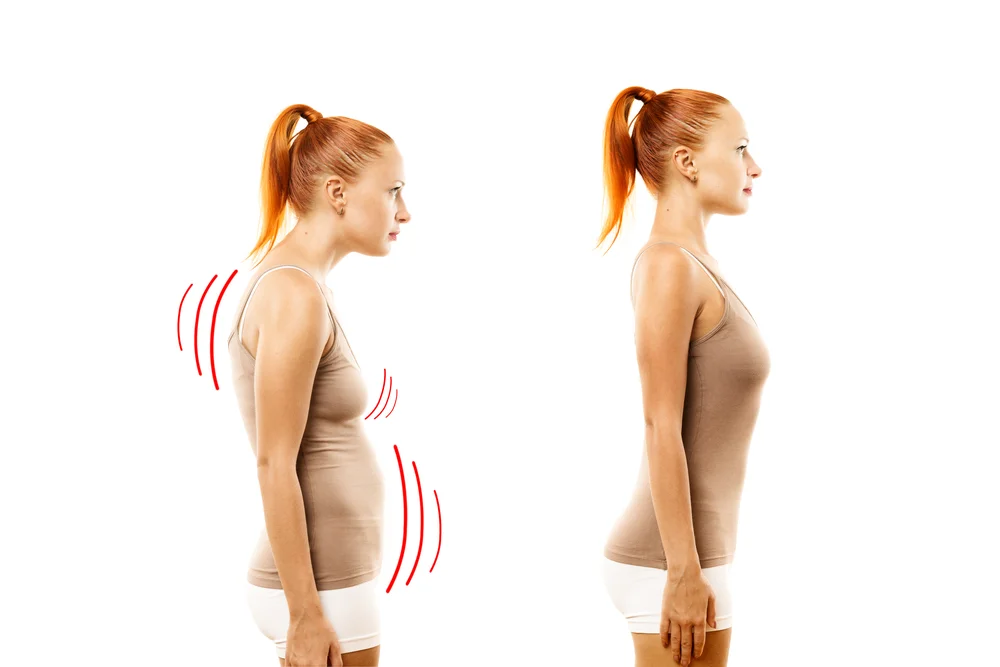
These affect around 50% of women and 33% of men. They come on at the end of the day, run from the neck to the back of the skull and sometimes the forehead, don’t drop below the eyes, and feel like a tight cap around the head. They’re aggravated by stress and poor posture — slouching at a computer with the shoulders up and head tilted back. They’re often relieved by paracetamol or over-the-counter anti-inflammatories. Helpful self-care: an upper-trapezius stretch (grip one wrist, pull the shoulder down, tilt the opposite ear to the shoulder, hold ~10 seconds), deeper breathing from the tummy, and posture and desk improvements. Hands-on treatment — adjustment, soft-tissue work, and medical dry needling — can release neck-muscle tension, and posture correction helps.
General Anti-Inflammatory Supplements
For all these headache types, some people use anti-inflammatory supplements — turmeric, EPA fish oil, and magnesium (also a muscle relaxant) — which aim to reduce general inflammation. Always check with a GP or pharmacist before starting any supplement. I hope you found value in this video. Bye for now.
Summary
Headaches are extremely common — nearly everyone gets one occasionally, and around one in 20 people have daily headaches — but they come in different forms, and identifying yours helps you choose the right approach. This video describes the six most common types by their pain pattern and characteristics. Sinus headaches sit in the forehead, behind the nose, and under the eyes, are tender to touch, and worsen when bending forward or lying back, often alongside a cold. Migraines are usually one-sided, intensely painful, and come with light and sound sensitivity, sometimes an aura and nausea, and have a wide range of triggers — foods, stress, neck tension, digestive conditions, and hormones. Digestive-related headaches occur around the forehead and eyes alongside gut symptoms, and are best tracked with a food diary. Stress, tension, and anxiety headaches feel like a tight band around the head, come on at the end of the day, and are aggravated by stress and poor posture. Across the types, neck tension and posture are recurring themes, which is where hands-on treatment, breathing work, and posture correction can help. The video also mentions general anti-inflammatory supplements. Throughout, it’s clear this is information to use alongside — not instead of — professional medical advice, and that a GP or pharmacist should be consulted before starting any supplement.
Frequently Asked Questions
How do I tell what type of headache I have?
The clearest clue is the pain pattern — where it’s felt — combined with the associated symptoms. Sinus headaches sit around the forehead, nose, and under the eyes and are tender to touch. Migraines are usually one-sided and very intense, with light sensitivity and sometimes aura or nausea. Digestive-related headaches sit around the forehead and eyes alongside gut symptoms. Tension, stress, and anxiety headaches feel like a tight band around the head, from the neck to the back of the skull, coming on at the end of the day. Matching your pattern to these helps narrow it down — though persistent, severe, or changing headaches should always be assessed by a GP or neurologist.
What are the signs of a sinus headache?
It’s caused by inflammation of the sinuses — the cavities in the forehead, behind the nose, and under the eyes — so the pain sits in those areas as a deep, dull ache. Telltale signs: it’s tender to touch (tapping brings it on), and it’s aggravated by bending the head forward or lying on your back. It’s often accompanied by a cold, cough, or a blocked, nasally feeling. Decongestants and saline nasal rinsing are common ways to relieve the congestion behind it.
What are the symptoms and triggers of a migraine?
Migraines are usually felt on one side of the head, often behind the eye, and are extremely painful. They commonly come with sensitivity to light and sound, sometimes a visual aura (vision narrowing as if looking through a keyhole), and nausea or vomiting; an attack can last days. Triggers vary widely and include certain foods (such as alcohol, cheese, and chocolate), stress, neck and shoulder tension, digestive conditions like IBS or coeliac disease, and hormonal changes (for example around the menstrual cycle, during or after pregnancy, or with the contraceptive pill). Identifying and managing your own triggers is central to controlling them.
Can digestive problems cause headaches?
Yes — some headaches are linked to digestive issues, typically felt around the forehead and eyes and accompanied by stomach or other gut symptoms and food sensitivity. The most useful self-help step is keeping a food diary: when a headache occurs, look back at what you ate the day before, spot any recurring pattern, and avoid those foods. There’s also research linking conditions such as IBS and coeliac disease to migraine.
Where are tension, stress, and anxiety headaches felt, and what helps?
These closely related headaches affect roughly half of women and a third of men. They come on at the end of the day, run from the neck to the back of the skull and sometimes the forehead (but not below the eyes), and feel like a tight cap around the head. They’re aggravated by stress and poor posture — for example, slouching at a computer with the shoulders up and head tilted back. Helpful approaches include an upper-trapezius stretch (grip one wrist, pull the shoulder down, and tilt the opposite ear towards the shoulder, holding ~10 seconds), breathing more deeply from the tummy rather than shallowly from the chest, improving posture and desk setup, and hands-on treatment to release neck-muscle tension.
Can a chiropractor help with headaches?
For migraines and tension-type headaches, where neck tension and posture are often involved, chiropractic care can help by releasing tension in the muscles connecting the skull to the spine — through adjustment, soft-tissue work, and medical dry needling — alongside breathing and posture guidance, which may also help prevent recurrences. This is used alongside, not instead of, care from your GP or neurologist. The video also mentions general anti-inflammatory supplements (turmeric, EPA fish oil, and magnesium) that some people use — always check with a GP or pharmacist before starting any supplement, as they can interact with medication.
Related Videos


GET IN TOUCH
Let’s Talk
If you would like to find out how we can help you or any other questions, please message, call or use our form to get in touch.


Monday - Friday 7:30 - 19:30

Fornham Chiropractic Clinic
Unit 10
Fornham Business Court
The Drift
Fornham St Martin
Bury St Edmunds
IP31 1SL
