



How to Fix Plantar Fasciitis (Heel Pain): A 5-Step Plan Based on Science
A science-based five-step plan that may help relieve plantar fasciitis and heel pain, demonstrated by a chiropractor with over 24 years of clinical experience.
Plantar fasciitis is a common and stubborn cause of heel and arch pain that can take months to resolve. It’s a repetitive strain injury of the plantar fascia — the connective tissue running from the heel to the toes that supports the arch and gives your foot its spring (think of the foot as a bow and the fascia as the bowstring). Typical signs are a sharp, stabbing pain around the heel or arch, worse first thing in the morning, easing with movement but returning after rest, and difficulty raising the toes.
Our chiropractor Jasper Hulscher covers the symptoms, causes, and anatomy, then a five-step plan: reduce inflammation and irritation, stretch and self-massage the fascia and calves, strengthen the arch (the number-one exercise: the heel raise, building to 28), orthotics to support the arch, and shockwave therapy. Combining the steps gives the best result.
Related Reading:
Is chiropractic safe? What patients in Bury St Edmunds should know
Questions
How do I fix plantar fasciitis (heel pain)?
What are the symptoms of plantar fasciitis?
What causes plantar fasciitis?
What is the best exercise for plantar fasciitis?
Why does plantar fasciitis hurt most in the morning?
Do orthotics and shockwave therapy help plantar fasciitis?
Key Takeaways (timestamped)
[00:15] Symptoms — sharp, stabbing pain around the heel or arch; worse first thing in the morning; eases with movement but returns after rest; difficulty raising the toes off the floor.
[00:40] Causes — exercising on hard surfaces, being overweight, foot over-pronation (or, conversely, a high arch), flip-flops or unsupportive shoes, pregnancy (arches dropping), and long periods on the feet (teachers, factory workers).
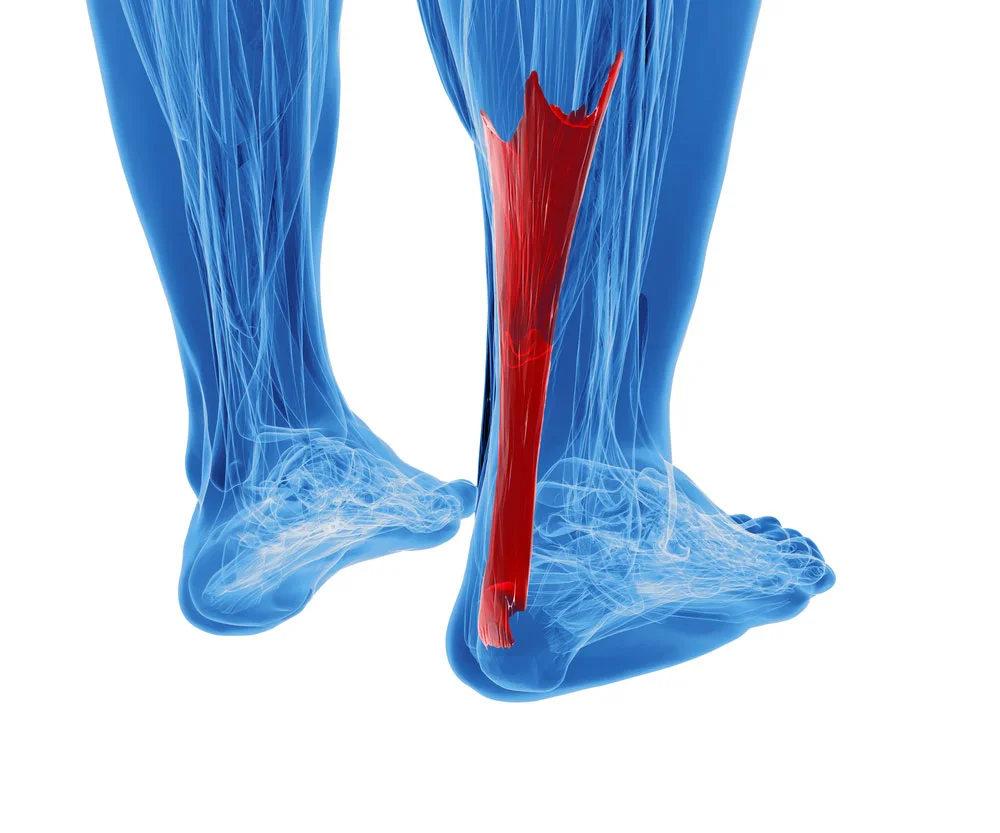
[01:41] Anatomy — the plantar fascia runs from heel to toes, supporting the arch and acting like a springy bowstring; plantar fasciitis is a repetitive strain injury of it.
[02:28] Step 1 — Reduce inflammation — ibuprofen/gel (mainly useful in the first ~6 weeks), proper rest (swap to non-weight-bearing activity like cycling or swimming), avoid barefoot walking, and roll the arch on a frozen water bottle.
[03:58] Step 2 — Stretch and self-massage — pull the big toe back to stretch the fascia, massage it with the knuckles, and stretch both calf muscles (gastrocnemius and soleus).
[06:29] Step 3 — The #1 strengthening exercise — heel raises (toes propped up on a towel), using the 3-3-3 tempo and dropping the heel below horizontal, building up to 28 (four sets of seven).
[07:58] Step 4 — Orthotics — to support the arch and stop the fascia over-stretching, off-the-shelf or custom.
[08:32] Step 5 — Shockwave therapy — a drug-free, non-invasive acoustic-wave treatment that promotes tissue healing.
Transcript
Introduction
In this video I’ll share my five-step plan, based on science and research, to help with your plantar fasciitis.
Symptoms
The four most common symptoms: a sharp, stabbing pain around the heel or the arch; more pain first thing in the morning, easing with movement but returning after rest; and difficulty raising the toes off the floor.
Causes
It’s not always clear what causes it. Risk factors include exercising on hard surfaces, being overweight, and over-pronation (the foot elongating and stretching the fascia on landing) — but it also happens with a high, stiff arch that absorbs too much at once. Flip-flops and unsupportive shoes are a problem, as is pregnancy (hormonal changes dropping the arches), and being on your feet a long time, like teachers or factory workers.
Anatomy
The plantar fascia is connective tissue from the heel to the toes with two jobs: supporting the arch, and being springy to make walking efficient — like a bowstring, storing energy as the foot lands and releasing it as it leaves the ground. Plantar fasciitis is essentially a repetitive strain injury of the fascia.
Step 1: Reduce Inflammation and Irritation
Use ibuprofen or ibuprofen gel — but note it’s mainly effective in the first six weeks, after which the inflammation process changes. Then proper rest: swap to non-weight-bearing activities like cycling or swimming, and only return to running when you can load the area well. Avoid walking barefoot indoors — wear supportive footwear at home. And roll the arch on a bottle of frozen water for 30 seconds to a couple of minutes, which reduces pain and massages the tissue.
Step 2: Stretch and Self-Massage
Pull your big toe back to stretch the fascia, holding 30 seconds to a minute, five times. Massage the arch with your knuckles from heel to toe. A more intense option is cross-friction: two fingers across the fascia at a tender point. Research shows you should also stretch both calf muscles — the gastrocnemius (back leg straight, heel down, push the pelvis forward) and the soleus (back leg closer, knee bent, heel down), each held 10 seconds, 10 times, three sets.
Step 3: The Number-One Strengthening Exercise
Heel raises. Prop your toes up on a towel (pre-stretching the fascia). Aim for 28 heel raises — four sets of seven — using the 3-3-3 principle: up over three seconds, hold three seconds, down slowly with the heel dropping just below horizontal (use a book or step). Start with four reps in three sets and build gradually to seven reps, four sets. Once you can do 28, you can return to longer walks or jogging.
Step 4: Orthotics
Wear orthotics to support the arch and stop the fascia over-stretching, especially if your arches have dropped or your foot pronates. Off-the-shelf or custom-made from a foot scan.
Step 5: Shockwave Therapy
Shockwave therapy is drug-free, non-invasive, and non-surgical — an acoustic sound wave directed into the fascia that promotes tissue healing and cell regeneration. We offer it in our clinics, as do others. Combine all the steps and find a clinic offering shockwave therapy.
Closing
I’ve enjoyed sharing my five-step plan for plantar fasciitis. Take care of yourself, take care of someone else if you can, and bye for now.
Summary
Plantar fasciitis is a common and stubborn cause of heel and arch pain — a repetitive strain injury of the plantar fascia, the connective tissue that runs from the heel to the toes, supports the arch, and acts like a springy bowstring to make walking efficient. Its hallmark signs are a sharp, stabbing pain around the heel or arch that’s worst first thing in the morning, eases with movement, and returns after rest. Causes range from hard-surface exercise, being overweight, and foot pronation (or a high arch) to unsupportive shoes, pregnancy, and long hours on the feet. This video offers a five-step, science-based plan: reduce inflammation and irritation (anti-inflammatory gel in the early weeks, proper rest with non-weight-bearing activity, supportive footwear, and rolling the arch on a frozen water bottle); stretch and self-massage the fascia and both calf muscles; strengthen the arch with heel raises using a 3-3-3 tempo, building to 28; support the arch with orthotics; and shockwave therapy to promote healing. Combining the steps gives the best result. Persistent heel pain should be professionally assessed.
Frequently Asked Questions
What are the symptoms of plantar fasciitis?
Four common signs: a sharp, stabbing pain around the heel or the arch of the foot; pain that’s noticeably worse first thing in the morning; pain that eases with a bit of movement but returns after resting; and difficulty raising your toes off the floor. The morning pain that eases as you get going is one of the most telling features.
What causes plantar fasciitis?
It’s not always clear-cut, but risk factors include exercising on hard surfaces, being overweight, and over-pronation of the foot (the foot rolling in and over-stretching the fascia) — or the opposite, a high, stiff arch that doesn’t absorb impact well. Flip-flops and unsupportive shoes contribute, as does pregnancy (hormonal changes can drop the arches) and spending long periods on your feet, such as teachers and factory workers.
Why does plantar fasciitis hurt most in the morning?
Because the fascia tightens overnight while you rest, so those first steps in the morning suddenly stretch and stress it, producing the sharp heel pain. As you move and the tissue warms and loosens, the pain eases — but it tends to return after you’ve been resting again, which is a classic pattern of the condition.
What is the best exercise for plantar fasciitis?
The heel raise is the number-one strengthening exercise. Prop your toes up on a rolled towel (which pre-stretches the fascia and makes it more effective), then rise up over three seconds, hold for three seconds, and lower over three seconds, letting the heel drop just below horizontal (using a step or book). The goal is to build up to 28 heel raises (four sets of seven); once you can do that, you’re ready to return to longer walks or jogging. Stretching the fascia and both calf muscles supports it.
Do orthotics and shockwave therapy help plantar fasciitis?
Both are part of the plan. Orthotics support the arch and stop the fascia over-stretching, which especially helps if your arches have dropped or your foot pronates — available off the shelf or custom-made from a foot scan. Shockwave therapy is a drug-free, non-invasive treatment using acoustic waves directed into the fascia to promote tissue healing and regeneration. The video notes both are offered at the clinics, and that combining all five steps gives the best outcome.
How long does plantar fasciitis take to heal?
It’s known for being stubborn and can take months to resolve. That’s why the video frames it as a five-step plan rather than a single fix — reducing inflammation, stretching, strengthening, supporting the arch, and shockwave therapy together give the best chance of a quicker, fuller recovery than any one step alone.

GET IN TOUCH
Let’s Talk
If you would like to find out how we can help you or any other questions, please message, call or use our form to get in touch.


Monday - Friday 7:30 - 19:30

Fornham Chiropractic Clinic
Unit 10
Fornham Business Court
The Drift
Fornham St Martin
Bury St Edmunds
IP31 1SL
