



Sciatica Pain Relief with Nerve Flossing: A 10-Stage Progression Plus Piriformis and Positional Relief
A complete nerve-flossing routine that may provide sciatica pain relief, demonstrated by a chiropractor with over 24 years of clinical experience. It builds from very easy movements to more advanced ones, so there’s a starting point whatever your level of pain.
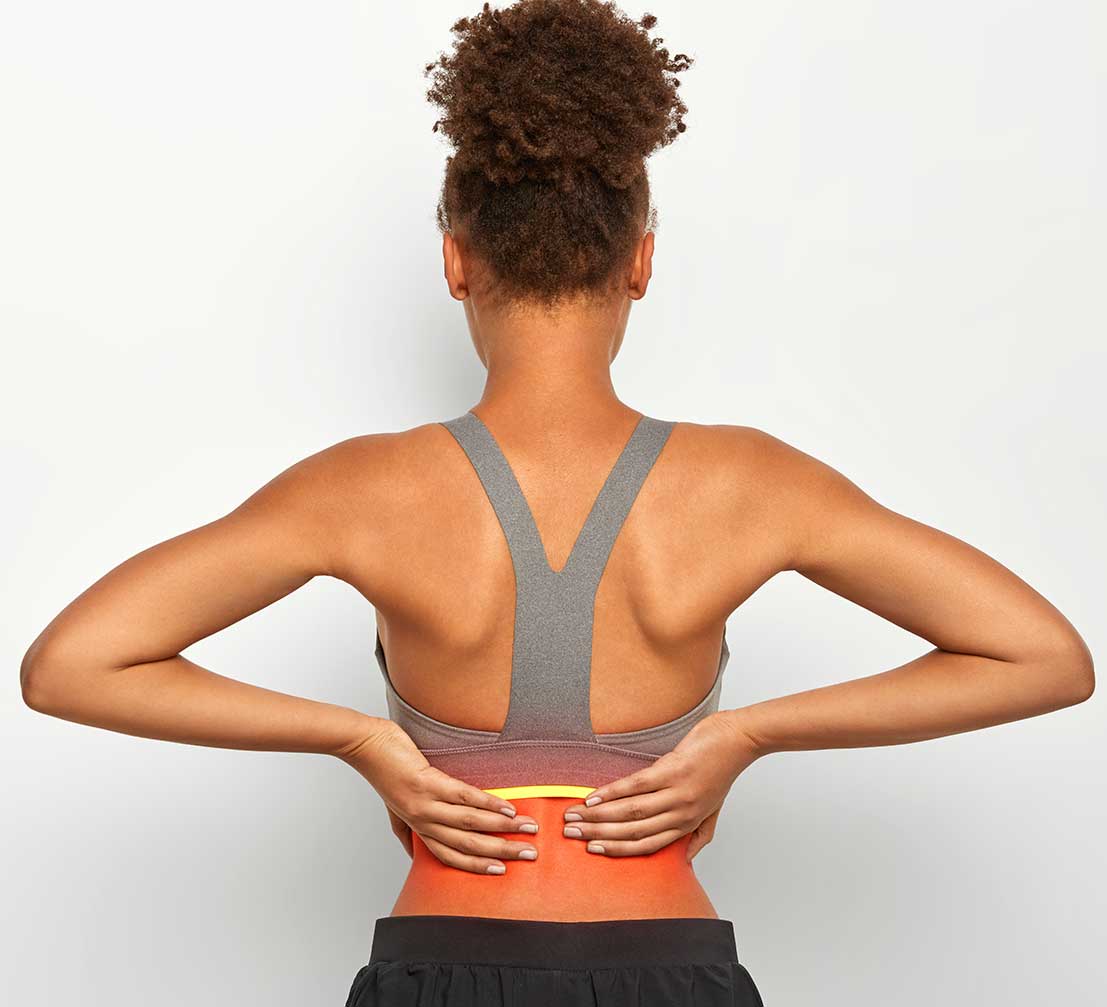
Sciatica occurs when the sciatic nerve — the biggest nerve in your body — is pinched. It runs from the lower back through the buttock and down the back of the leg to the foot, producing pain, numbness, or tingling anywhere along that path. The compression usually sits in the lower back (a slipped disc, wear and tear, and other factors), and in around 20% of people the sciatic nerve runs through the piriformis muscle in the buttock, which can also be a source.
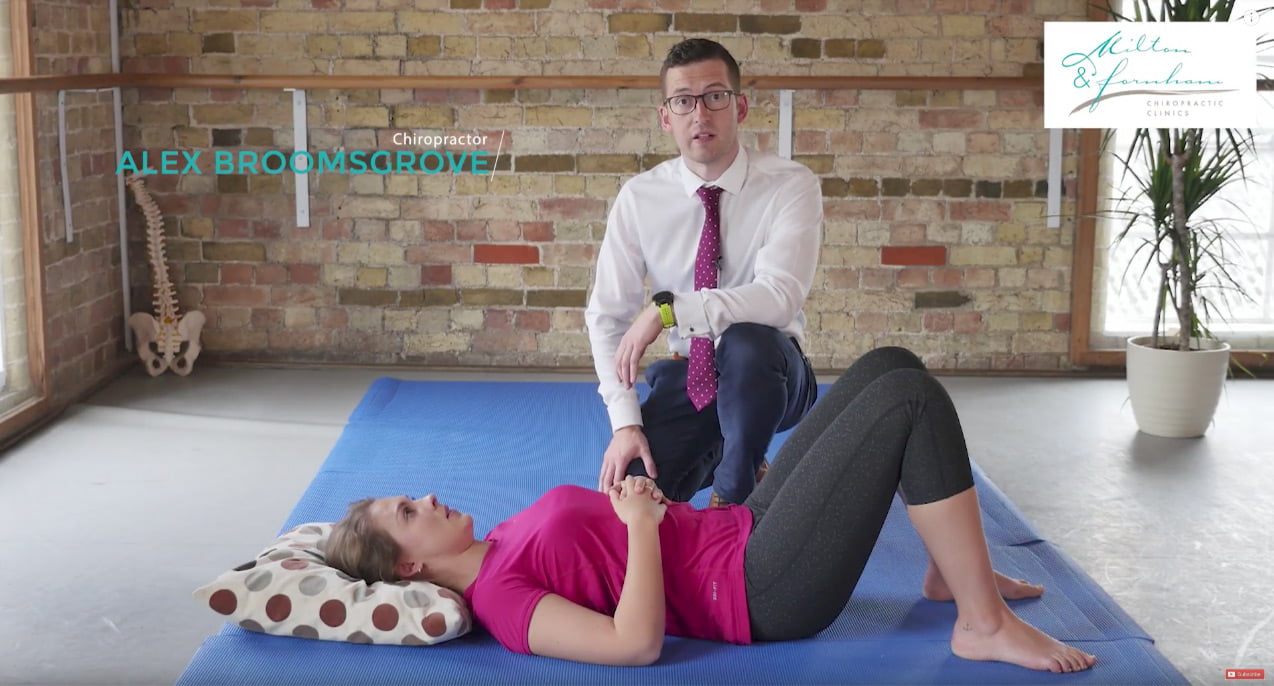
The heart of this video is nerve flossing: gently moving the sciatic nerve back and forth through its anatomical path to reduce symptoms. Our chiropractor Jasper Hulscher works through a 10-stage progression, then demonstrates two piriformis stretch variations and, for anyone who can’t yet manage the seated flossing, gentler face-down positional exercises (the “roadkill” and straight-leg positions) that free up the nerve first.
Throughout, the guiding rule is the same: some symptoms in the leg during the exercises are fine, but they shouldn’t increase — if they do, ease back to a gentler stage.
Related Reading:
When should you see a chiropractor? A practical guide for back pain, neck pain and sciatica
Is chiropractic safe? What patients in Bury St Edmunds should know
Questions
How does nerve flossing relieve sciatica?
What is nerve flossing and how do I do it?
What can I do if I can't straighten my leg because of sciatica?
How can the piriformis muscle cause sciatica?
What is the "roadkill" position and how does it help?
How do I know if a sciatica exercise is too intense?
Key Takeaways (timestamped)
[00:00] Symptoms of sciatica — pain, tingling, or numbness anywhere from the lower back through the buttock, back of the leg, calf, and into the foot.
[00:24] What causes it — the sciatic nerve (the body’s largest) is pinched, usually in the lower back (slipped disc, wear and tear), and in about 20% of people at the piriformis muscle in the buttock.
[01:14] Nerve flossing (10 stages) — gently moving the nerve through its path to reduce symptoms, starting very easy: knee supported on a foam roller or folded cushion, moving the foot up and down, progressing through sitting upright, arching the back, removing the support, adding toe pulls, chin to chest, and finally elevating the heel on a chair. Move up a stage only when the current one is comfortable.
[06:34] Piriformis stretch (2 variants) — because the sciatic nerve runs through the piriformis in ~20% of people, stretching it can relieve sciatica. Two versions shown, as anatomy varies.
[08:54] Roadkill position — for those who can’t manage the seated flossing: face down with a rolled towel under the hip, affected leg raised into a figure-four, progressing onto elbows and a press-up. Frees the nerve first.
[11:06] Straight-leg position — a progression from roadkill, shifting the pelvis to free the nerve, before returning to the flossing exercises.
Throughout: a few leg symptoms during the exercises are acceptable; symptoms increasing means ease back to a gentler stage.
Transcript
Introduction
If you experience pain, tingling, or numbness in your lower back, buttocks, the back of your upper leg, your calf, and maybe all the way into your foot, you might be struggling with a pinched sciatic nerve, or sciatica. Stay tuned for the best exercises to relieve that pain.
Quick Anatomy
Sciatica occurs when the biggest nerve in your body — the sciatic nerve — is pinched. It runs from your lower back through your buttocks and down the back of your leg all the way to your foot. The pinching normally occurs in the lower back — it could be a slipped disc, wear and tear, or several other factors. Pinching by the piriformis muscle in your buttocks is also a big cause, and I’ll demonstrate a stretch for that later. But I’ll focus mainly on nerve flossing techniques: you keep moving the sciatic nerve and thereby decrease the symptoms in your leg. I’ll start easy and move on to more advanced techniques.
Nerve Flossing (Stages 1–10)
Many patients with a pinched nerve have difficulty even putting the leg straight on the floor. So the first exercise uses a foam roller (or a folded cushion) for elevation under the knee. Place your knee on top of the roller, support yourself on your elbows, and move your foot up and down — this slowly flosses the nerve, pulling it through its anatomical position. You may feel an ache, pain, or tingling down the back of the leg; that’s fine, but it shouldn’t increase too much.
If that goes well, sit upright and do the same, pulling the foot up and down for about 10–20 repetitions, resting a few seconds, and repeating. Next, sit upright and arch your back while continuing the foot movement. Then remove the foam roller and, with a straight knee, move your foot up and down to floss the nerve, sitting upright. Progress by arching the back with a flat knee and pulling your toes towards you. A tougher stage adds bringing your chin to your chest as you pull the toes up. Harder still, elevate your heel on a chair or table and pull the toes towards you, straight knee, about 10 times for three sets — a dynamic flossing movement. Finally, do the same sitting more upright, and then arching the back, where you’ll really feel it in the hamstring.
Piriformis Stretch (2 Variants)
In about 20% of the population the sciatic nerve runs through the belly of the piriformis muscle, so you can get sciatica-like symptoms from the buttock rather than the lower back. To stretch it (shown on the left): lie on your back, place your left ankle on top of your right knee — if you feel it there, hold; if not, grab your right shin and pull the right leg towards you. Hold about 10 seconds, repeat three to five times, three sets, throughout the day. This works in most cases. The second variant, depending on your anatomy: place your left foot on the outside of your right knee, pull the knee towards your chest, and rotate your body towards the affected side, sitting upright. Hold about 10 seconds, three to five times. If the piriformis is the cause, this will likely reproduce your leg symptoms — a bit is fine.
Roadkill Pain Relief Position
Some patients really struggle with those seated exercises and simply can’t do them. If that’s you, these are for you. Take a rolled-up towel (held with elastic bands) and lie face down, placing it under the hip on the affected side. In the roadkill position, raise that leg with about a 45-degree angle at the hip and 90 at the knee. Lie like this for about a minute and see if it reduces the leg pain. If it helps, rest on your elbows for a minute, then place your hands under your shoulders and push up, holding about five seconds with a pumping action, 10–15 repetitions. A few symptoms are fine, but it shouldn’t worsen.
Straight Leg Pain Relief Position
If that goes well, move from roadkill to a straight-leg position, still with the towel under the hip, shifting your pelvis to free up the nerve. Lie like this for a minute, then rest on your elbows for a minute, then hands under the shoulders and push up gently, holding about five seconds, five to ten repetitions. If symptoms are easing rather than increasing, that’s a great time to go back to the nerve-flossing exercises from the start of the video. So if you can’t do the flossing at first, these positions free up the nerve so you can.
Closing
I hope you’ve enjoyed the video. If you know anyone struggling with sciatica, feel free to forward it. Take care of yourself, take care of someone else if you can, and bye for now.
Summary
Sciatica is caused by a pinched sciatic nerve — the largest nerve in the body — which runs from the lower back through the buttock and down the leg to the foot. The compression usually occurs in the lower back, and in around 20% of people the nerve passes through the piriformis muscle in the buttock, another possible source. This video centres on nerve flossing: gently gliding the nerve back and forth through its anatomical path to reduce the pain, numbness, and tingling it causes. The routine builds through 10 progressive stages, from a very gentle version with the knee supported on a foam roller up to advanced seated movements with an elevated heel. It then adds two piriformis stretch variations and, for anyone who can’t yet manage the seated work, gentler face-down positional exercises — the “roadkill” and straight-leg positions — that free the nerve first so the flossing becomes possible. The consistent safety rule is that mild leg symptoms during the exercises are acceptable, but any increase means easing back to a gentler stage. Persistent or worsening sciatica should be professionally assessed.
Frequently Asked Questions
What is nerve flossing?
Nerve flossing is a technique that gently slides a nerve back and forth through the surrounding tissue and openings it passes through, rather than holding it in a static stretch. For sciatica, you keep the sciatic nerve moving — typically by moving the foot and toes up and down while the leg is positioned in a particular way — which helps reduce the pain, numbness, and tingling down the leg. It’s a dynamic movement you repeat, not a hold.
What can I do if I can't straighten my leg because of sciatica?
This is common when the nerve is badly irritated. The video’s gentler face-down positional exercises are designed for exactly this: lying with a rolled towel under the hip in the “roadkill” position, then progressing onto the elbows and a gentle press-up. These free up the nerve first, easing symptoms enough that you can then move on to the seated nerve-flossing exercises.
How can the piriformis muscle cause sciatica?
In around 20% of people, the sciatic nerve runs directly through the piriformis muscle in the buttock rather than beneath it. In those people, a tight piriformis can compress the nerve and produce sciatica-type symptoms that originate in the buttock rather than the lower back. Stretching the piriformis can relieve this — two stretch variations are shown, since which one works depends on your anatomy.
What is the "roadkill" position?
It’s a face-down pain-relief position for people who can’t yet manage the seated flossing. With a rolled towel under the hip on the affected side, you raise that leg with roughly a 45-degree bend at the hip and 90 degrees at the knee, hold for about a minute, then progress onto your elbows and, if that goes well, a gentle press-up with a pumping action. It’s a way to free up the nerve before attempting the more demanding exercises.
How do I know if a sciatica exercise is too intense?
Watch your leg symptoms. A little ache, pain, or tingling in the leg during the exercises is fine and expected. What you don’t want is the symptoms increasing or spreading further down the leg — that’s the signal to ease back to a gentler stage or position. The aim is symptoms gradually easing, not worsening.
How often can I do nerve flossing?
There’s essentially no maximum — because it’s a gentle, dynamic movement rather than a forceful stretch, you can do it throughout the day. A typical pattern is around 10–20 repetitions, a short rest, then repeat.
Related Videos



GET IN TOUCH
Let’s Talk
If you would like to find out how we can help you or any other questions, please message, call or use our form to get in touch.


Monday - Friday 7:30 - 19:30

Fornham Chiropractic Clinic
Unit 10
Fornham Business Court
The Drift
Fornham St Martin
Bury St Edmunds
IP31 1SL
