




Spinal Decompression for the Low Back: 5 Ways to Do It at Home
Five simple ways to decompress your lower spine at home — a gentle way to relieve back pain — demonstrated by a chiropractor with over 24 years of clinical experience, using just everyday items.
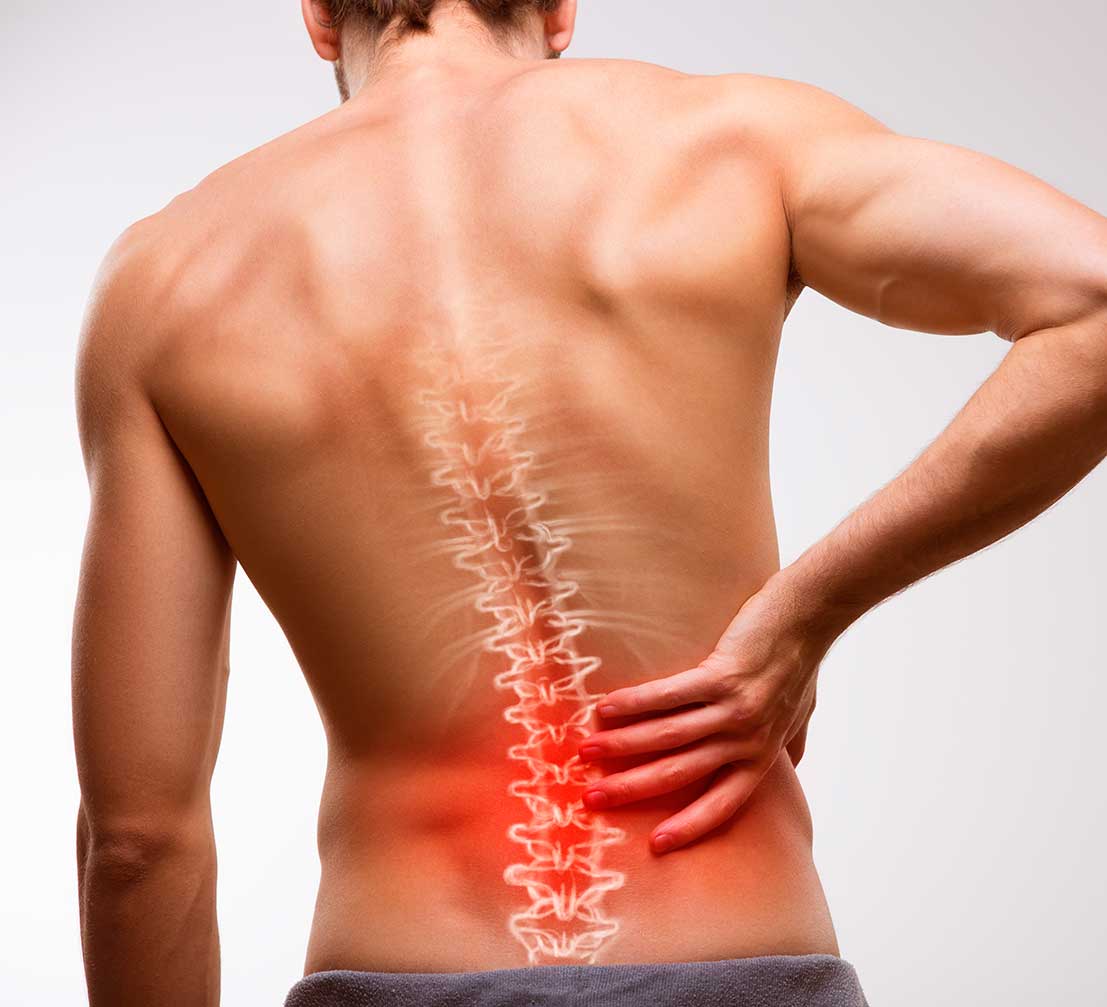
Spinal decompression gently stretches and lengthens the spine, which changes the pressure within the discs — the gel-like cushions between the bones of your spine. The aim is to create a gentle negative pressure in the disc, which is thought to help take pressure off the spinal nerves (and may encourage a bulging or herniated disc to retract), relieving back pain and any associated leg symptoms.
Our chiropractor Jasper Hulscher demonstrates five variations, so there’s one to suit most people and most homes: two floor-based versions, one using two chairs, one using a yoga/exercise ball, and one using just a rolled towel. Each works by using your own body position and gravity to gently open up the lower back.
Note: decompression should feel like a gentle, relieving stretch. Ease off if any exercise increases your pain or sends symptoms further down the leg, and get persistent or severe back pain professionally assessed.
Related Reading:
Is chiropractic safe? What patients in Bury St Edmunds should know
The Best Low Back Stretches: A Lower Back Pain Relief Routine
3 of the Best Exercises for a Slipped Disc: Prone Prop, Prone Press-Up and Standing Back Bend
The Pallof Press: A Simple Anti-Rotation Core Exercise for Back Pain
Questions
How do I decompress my lower spine at home?
What is spinal decompression and how does it work?
Can spinal decompression help a bulging or herniated disc?
How do I decompress my back using chairs, a ball, or a towel?
Is spinal decompression safe to do at home?
When should decompression relieve back pain?
Key Takeaways (timestamped)
[00:00] What decompression does — gently stretches the spine to create negative pressure in the discs, which is thought to ease pressure off the spinal nerves and may help a bulging/herniated disc retract, relieving back pain.
[00:54] Variant 1 (floor) — a floor-based position using body weight and leverage to gently lengthen and open up the lower back.
[02:53] Variant 2 (floor) — a second floor version, a progression or alternative depending on what feels most comfortable.
[04:02] Using two chairs — supporting the upper body and legs on two chairs so the pelvis hangs, gently decompressing the lower spine.
[05:20] Using a yoga/exercise ball — draping the lower back over a ball to open up the spine through a comfortable range.
[06:45] Using a towel — a rolled towel placed under the back to create a gentle decompressing stretch with minimal equipment.
Throughout — it should feel like a relieving stretch; ease off if pain increases or travels further down the leg.
Transcript
Introduction
In this video I’ll show you several ways to decompress your lower spine at home — a wonderful way to relieve back pain. Decompression gently stretches the spine and changes its forces and position. It’s thought to create a negative pressure in the discs — the gel-like cushions between the bones of your spine — which helps take pressure off the spinal nerves and can encourage a bulging or herniated disc to retract, relieving back pain. I’ll show five variations so you can pick what suits you and what you have at home. There’s a free exercise sheet in the description.
Spinal Decompression Variant 1 (Floor)
[Floor-based position demonstrated.] Get into the position, relax, and let your body weight gently lengthen and open up the lower back. It should feel like a relieving stretch. Hold comfortably and breathe. If it increases your pain or sends symptoms down the leg, ease off.
Spinal Decompression Variant 2 (Floor)
A second floor variation — a progression or alternative depending on what feels most comfortable for you. Again, relax into it and let the lower back gently open up.
Spinal Decompression Using Chairs
Use two sturdy chairs: support your upper body on one and your legs on the other, so your pelvis hangs between them. This lets the lower spine gently lengthen under the weight of your pelvis. Make sure the chairs are stable and stay within a comfortable range.
Spinal Decompression Using a Yoga Ball
Drape your lower back over a yoga or exercise ball and relax back over it, letting the spine open up through a comfortable range. The curve of the ball creates a gentle decompression.
Spinal Decompression Using a Towel
The most minimal option: roll up a towel and place it under your back to create a gentle decompressing stretch. Easy to do anywhere, with something everyone has at home.
Closing
Pick the variations that feel most relieving, do them gently and regularly, and ease off if anything increases your pain. Take care of yourself, take care of someone else if you can, and bye for now.
Summary
Spinal decompression is a gentle way to relieve lower back pain by lengthening the spine and changing the pressure within the discs — the gel-like cushions between the vertebrae. By creating a gentle negative pressure in the disc, decompression is thought to take pressure off the spinal nerves, and may encourage a bulging or herniated disc to retract, easing back pain and any leg symptoms it causes. This video demonstrates five ways to do it at home using body position and gravity, so there’s an option for most people and most homes: two floor-based variations, one using two chairs (letting the pelvis hang to open the lower spine), one draping the lower back over a yoga or exercise ball, and one using just a rolled towel. Each should feel like a gentle, relieving stretch rather than anything forced. It’s important to ease off if an exercise increases pain or sends symptoms further down the leg, and to have persistent or severe back pain professionally assessed. Used sensibly, these decompression exercises complement the stretching, mobility, and core-strengthening approaches to back pain.
Frequently Asked Questions
What is spinal decompression and how does it work?
Spinal decompression gently stretches and lengthens the spine, which changes the forces and pressure within the discs between your vertebrae. The idea is to create a gentle negative pressure inside the disc. That negative pressure is thought to help take pressure off the spinal nerves — and may encourage a bulging or herniated disc to draw back in — which can relieve back pain and any leg symptoms. The versions in this video achieve this using your own body position and gravity rather than a machine.
Can spinal decompression help a bulging or herniated disc?
The aim of decompression is to reduce the pressure on the disc and the nearby nerves, and it’s thought that the negative pressure created may help a bulging or herniated disc retract slightly. Many people find it relieving. That said, results vary and the evidence is mixed, so it’s best seen as one gentle, low-risk tool among several — and a suspected disc problem that’s severe or persistent, or causing significant leg symptoms, should be professionally assessed rather than self-treated alone.
How do I decompress my back using chairs, a ball, or a towel?
The video shows three equipment-based versions. With two chairs, you support your upper body on one and your legs on the other so your pelvis hangs in between, letting the lower spine gently lengthen. With a yoga or exercise ball, you drape your lower back over the ball and relax through a comfortable range so the spine opens up. With a towel, you roll it up and place it under your back to create a gentle decompressing stretch — the most minimal-equipment option. Two floor-based versions round out the five.
Is spinal decompression safe to do at home?
The gentle, body-weight versions shown are low-risk for most people when done carefully. The key rule is that it should feel like a relieving stretch — never forced or painful. Ease off immediately if an exercise increases your back pain or sends symptoms (pain, tingling, numbness) further down your leg, as that’s a sign it’s not right for you at that moment. If you have significant disc symptoms, nerve symptoms, or a diagnosed spinal condition, check with a professional before starting.
When should decompression relieve back pain?
Many people feel a pleasant, relieving stretch during and shortly after the exercises. As with most back-pain self-care, it tends to work best done gently and regularly rather than forced in one go. If it consistently makes things worse rather than better, stop and seek an assessment — decompression suits some back problems better than others.
How does decompression fit with other back exercises?
It complements them. Decompression eases pressure and can feel relieving; mobility and stretching exercises restore movement; and core-strengthening exercises like the Pallof press build a resilient spine to prevent recurrence. Used together — decompress and mobilise to relieve, strengthen to protect — they cover back pain from both directions.


GET IN TOUCH
Let’s Talk
If you would like to find out how we can help you or any other questions, please message, call or use our form to get in touch.


Monday - Friday 7:30 - 19:30

Fornham Chiropractic Clinic
Unit 10
Fornham Business Court
The Drift
Fornham St Martin
Bury St Edmunds
IP31 1SL
